



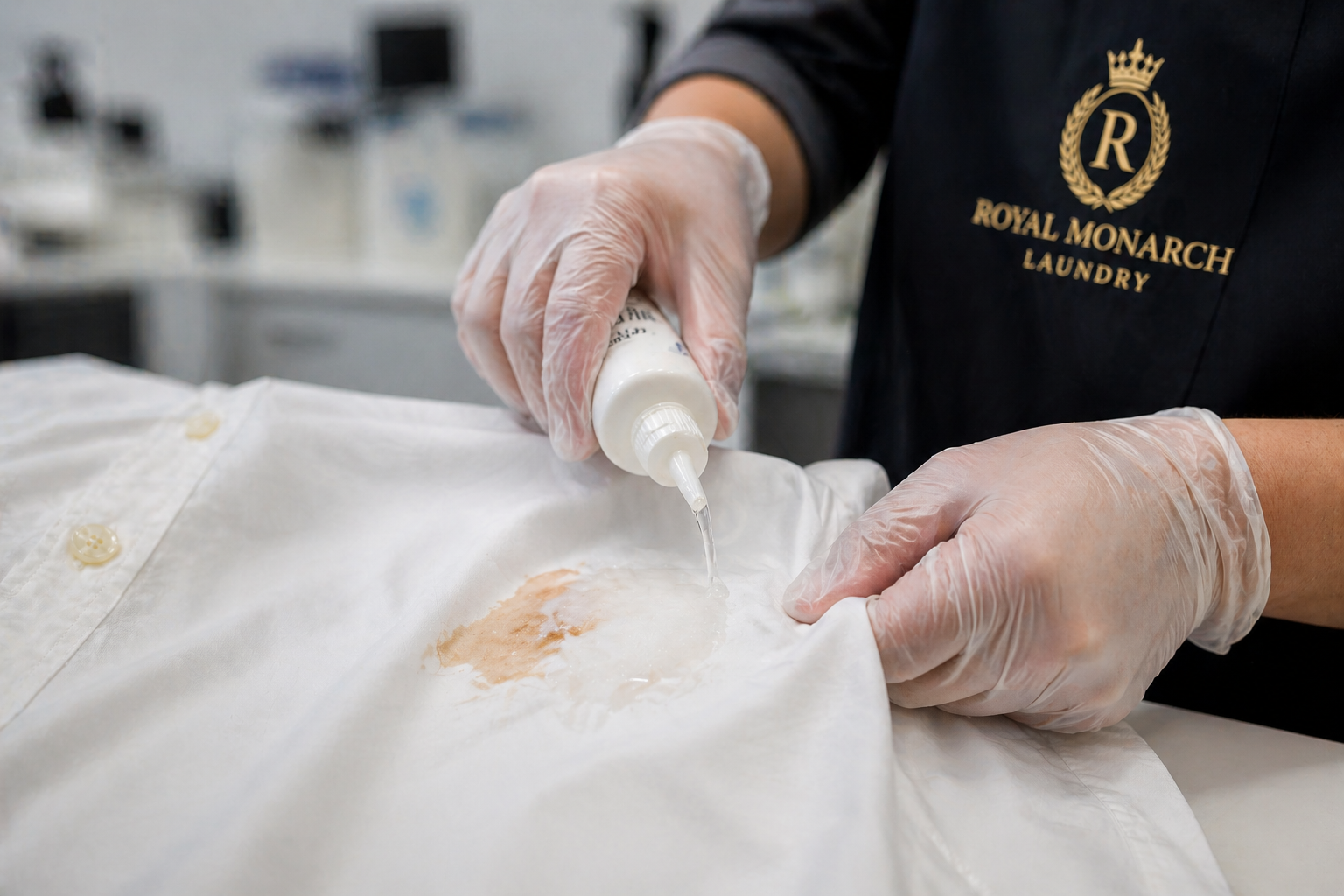
How to Remove Tough Stains Without Damaging Fabric
Stains are inevitable — whether it’s coffee spills, ink marks, oil splashes, or food accidents. The real challenge isn’t just removing them, but doing so without damaging your clothes.
Many people unknowingly ruin fabrics by using the wrong techniques. In this guide, we’ll show you how to remove tough stains safely while keeping your garments in perfect condition.
1. Act Quickly for Best Results
The sooner you treat a stain, the easier it is to remove.
- Fresh stains are easier to lift
- Old stains tend to set into fibers
- Immediate action prevents permanent damage
Tip: Blot the stain gently — never rub, as it spreads the stain deeper into the fabric.
2. Identify the Type of Stain
Different stains require different treatments. Using the wrong method can make things worse.
Common stain types:
- Oil & grease (food, makeup)
- Protein stains (blood, sweat)
- Dye stains (ink, wine)
- Dirt & mud
Knowing the stain type helps you choose the safest cleaning method.
3. Use the Right Water Temperature
Water temperature plays a crucial role:
- Cold water → Best for blood, protein stains
- Warm water → Works for general dirt
- Hot water → Helps remove grease but may damage delicate fabrics
Always check the fabric care label before washing.
4. Choose Fabric-Safe Cleaning Solutions
Harsh chemicals can weaken or discolor fabrics.
Safer options include:
- Mild detergents
- Baking soda for odor and light stains
- White vinegar for organic stains
Avoid bleach unless absolutely necessary, especially for delicate or colored fabrics.
5. Test Before Applying
Before applying any stain remover:
- Test it on a hidden area
- Check for color fading or damage
- Proceed only if the fabric reacts safely
This small step can prevent permanent damage.
6. Blot, Don’t Scrub
Scrubbing can:
- Spread the stain
- Damage fabric fibers
- Cause fading or rough texture
Instead, gently blot using a clean cloth or sponge.
7. Special Care for Delicate Fabrics
Fabrics like silk, wool, and cashmere require extra care.
- Avoid harsh detergents
- Use gentle cleaning methods
- Do not twist or wring
For expensive or delicate garments, professional cleaning is the safest option.
8. When to Choose Professional Help
Some stains are too stubborn to remove at home, such as:
- Oil-based stains
- Ink and dye stains
- Old or set-in stains
Professional laundry services use:
- Advanced stain removal techniques
- Fabric-specific treatments
- Industrial-grade equipment
This ensures stains are removed without harming the fabric.
Common Mistakes to Avoid
- Using too much detergent
- Applying heat before removing stain
- Mixing different cleaning chemicals
- Ignoring care labels
Avoiding these mistakes can save your clothes from permanent damage.
Final Thoughts
Removing tough stains doesn’t have to mean risking your clothes. With the right approach, you can effectively clean stains while preserving fabric quality.
However, when in doubt, trusting a professional laundry service ensures your garments receive the best possible care — especially for delicate or valuable items.